I started photography in 2004 with no formal knowledge — just curiosity and a Nikon D70. What began as an attempt to understand macro photography slowly evolved into a long-term journey through indoor sports, nature, birds, aviation and, more recently, video.
Over the years, cameras changed. Lenses became longer. Technology improved. But the real process was learning to see — through mistakes, experimentation and time.
This is not a portfolio. It is a personal timeline of twenty years spent behind a Nikon viewfinder.
D70 Era
2004 — 2007
2004 — Starting without a manual
Nikon D70 era
I started photography in 2004 without any formal knowledge. For years I had looked at DSLR cameras from a distance, until Nikon released the D70.
I chose Nikon almost instinctively. Canon felt polished; Nikon felt more like engineering — direct and functional.
Photography quickly became part of everyday life. Family moments, children growing up, ordinary scenes at home — the camera was often there, learning alongside them.
From the beginning, learning happened slowly. Exposure, shutter speed, aperture, focus — none of it came naturally, and none of it came quickly.
Those years were not about mastering photography. They were about becoming familiar with a camera, and with looking more attentively, one image at a time.
2005 — Discovering macro
Nikon D70 era
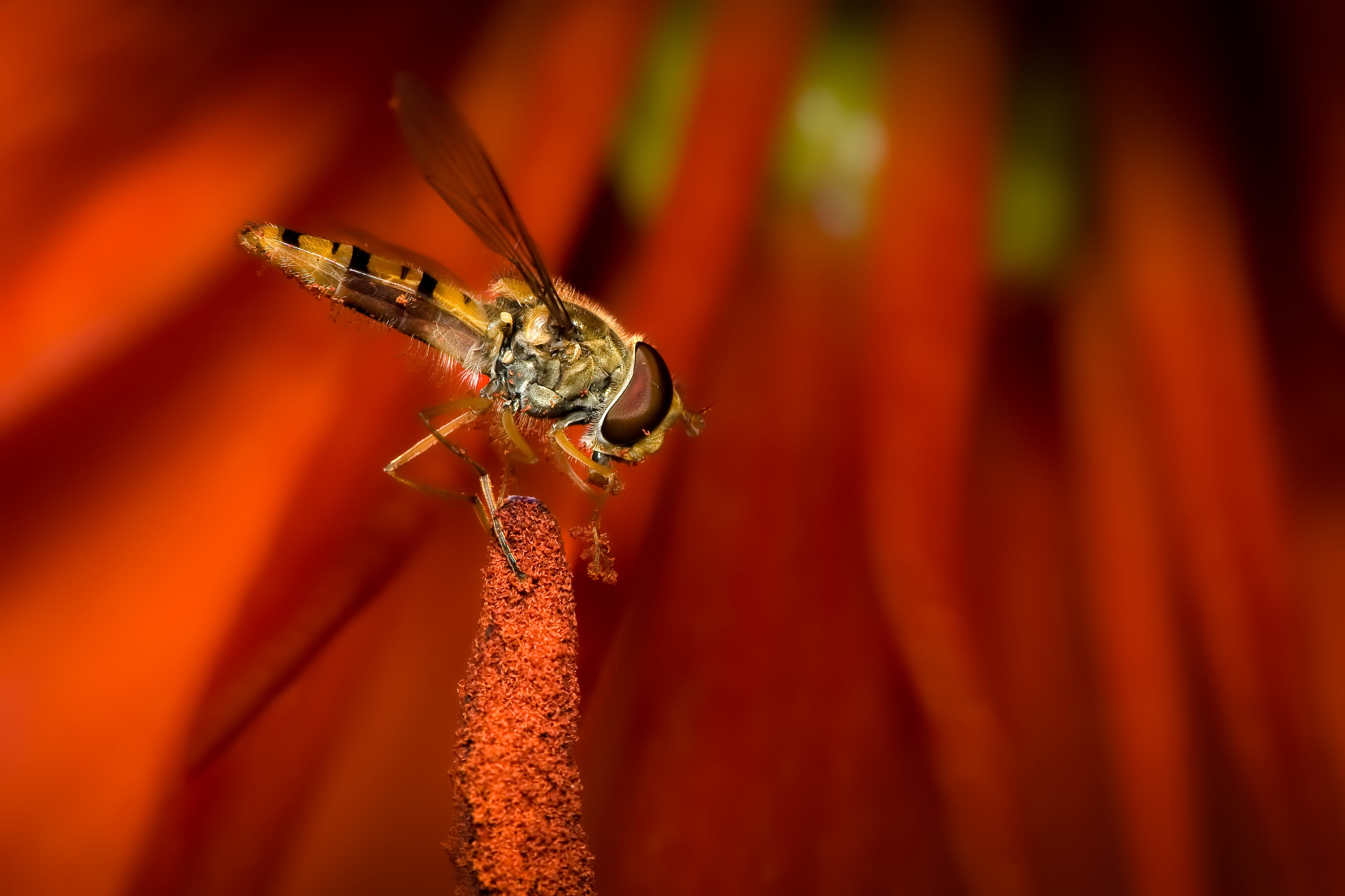
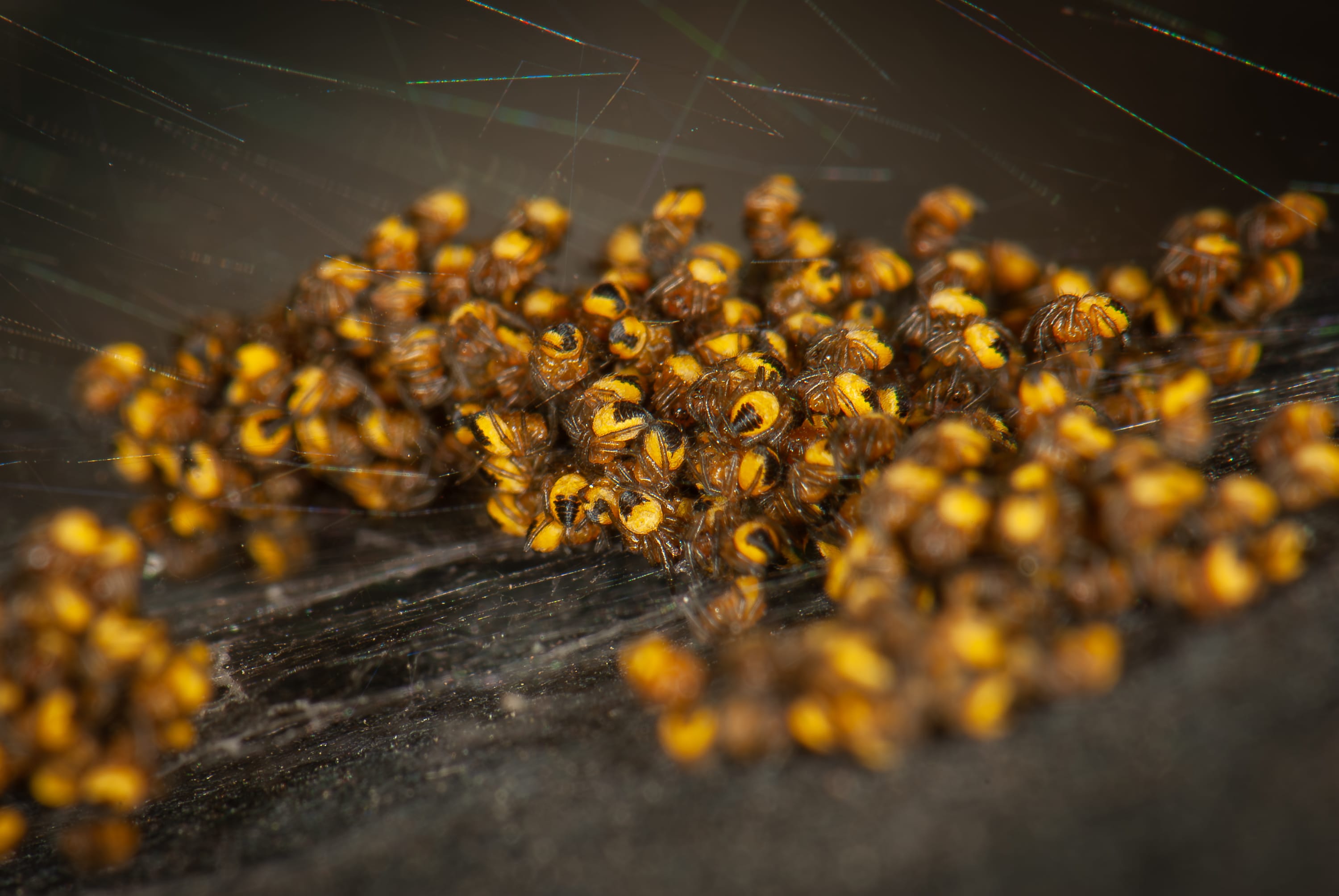
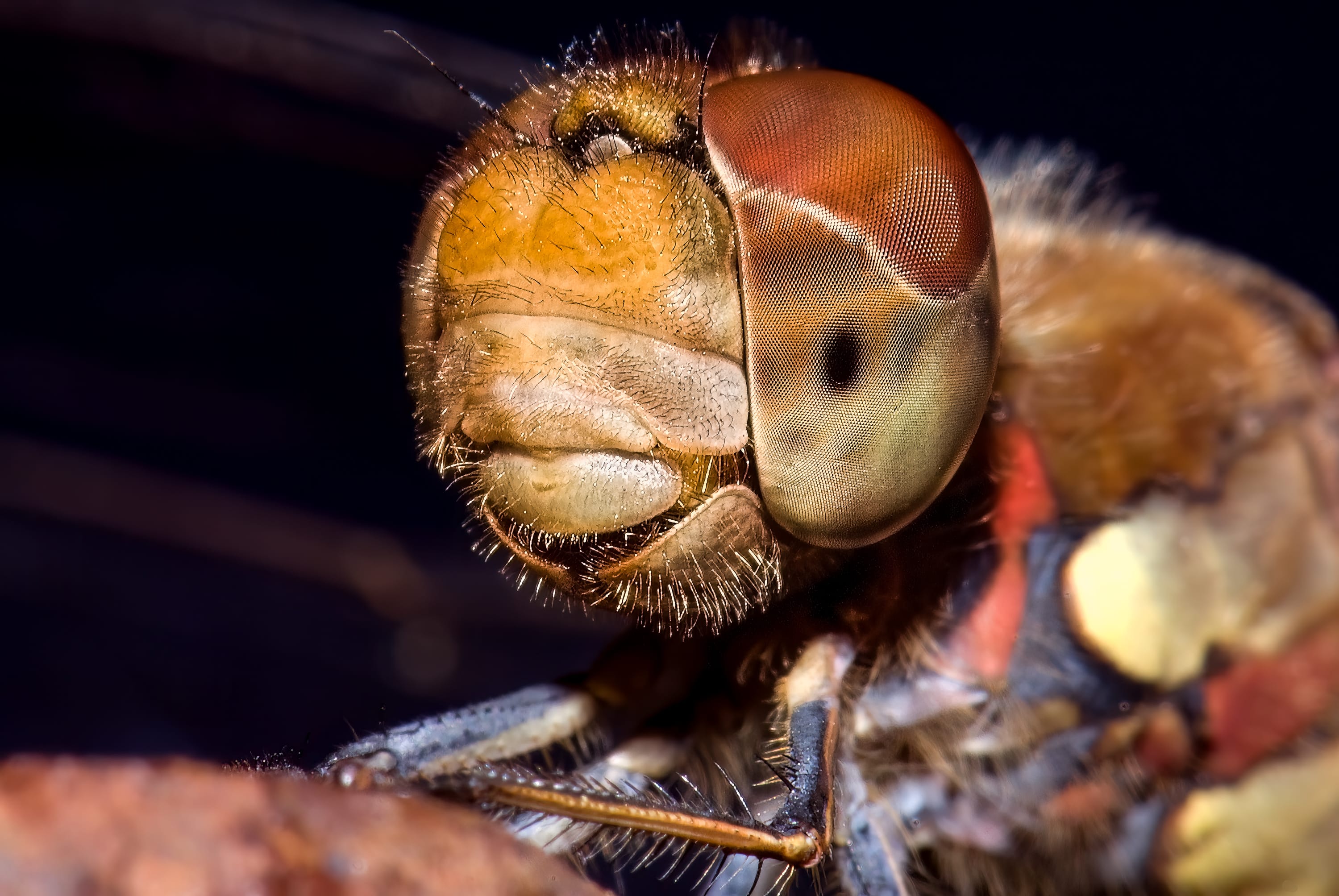
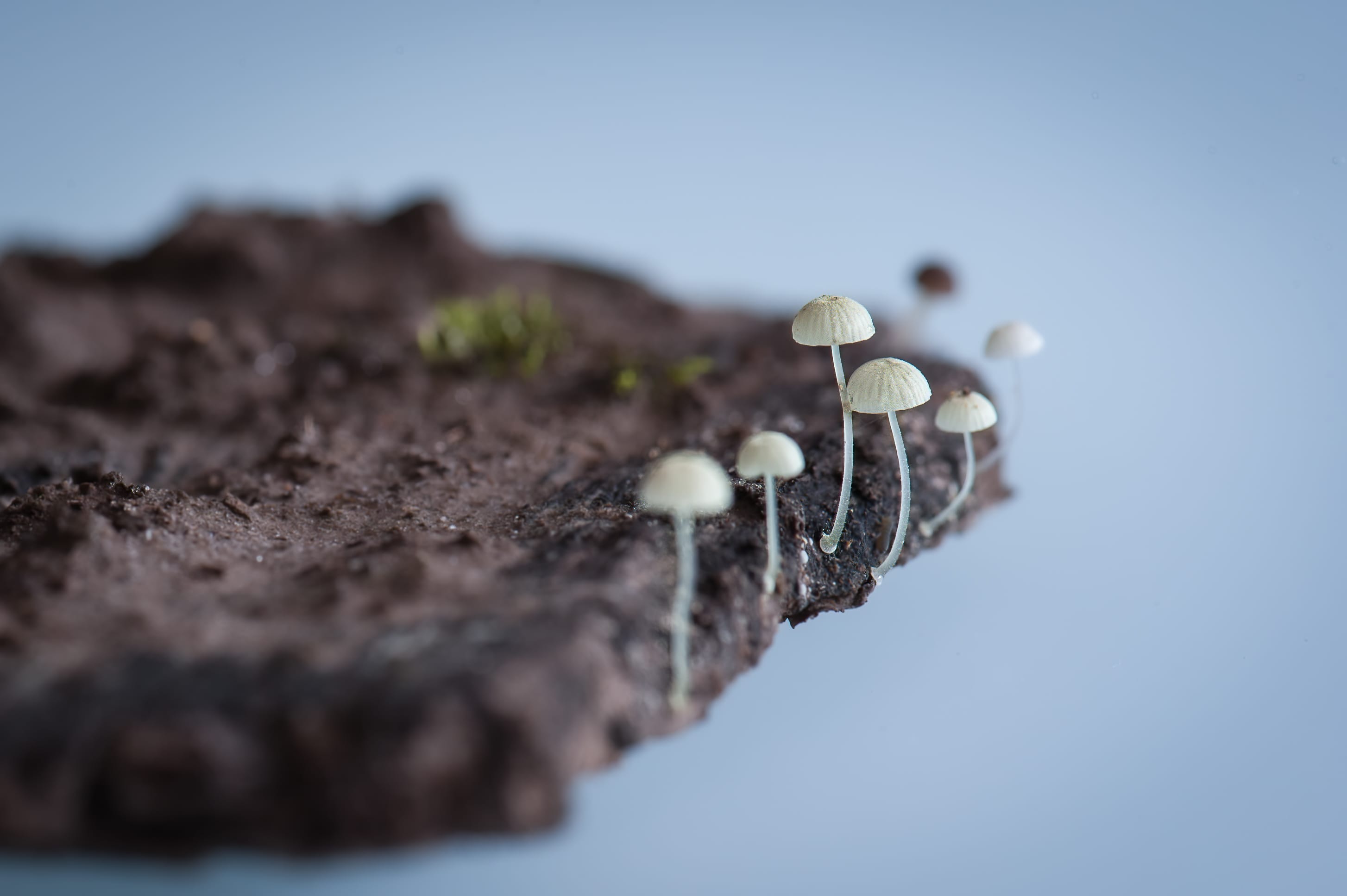
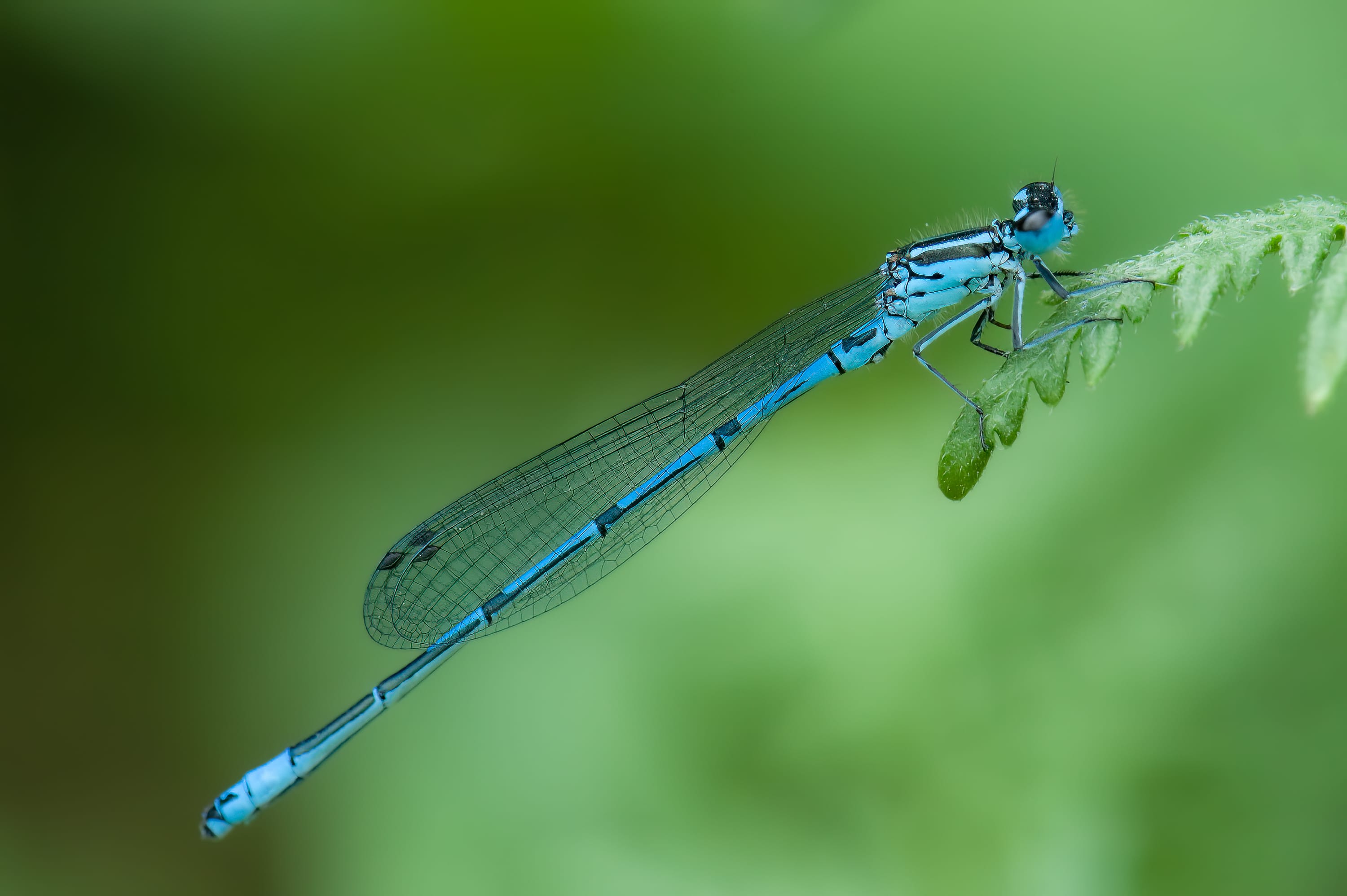
Macro photography emerged almost by accident.
Getting close forced me to slow down. Depth of field became unpredictable, focus unforgiving, and light increasingly important.
Progress was slow and often frustrating. Most images didn’t work — and that was normal.
Macro did not teach me technique. It introduced a way of looking: paying attention, observing details, and accepting that learning takes time.
That mindset never left.
2006 — Years of repetition
Nikon D70 era
The D70 stayed with me for years. Not because everything worked, but because there was still so much to understand.
There was no moment where things suddenly clicked. Learning happened through repetition, mistakes, and long periods of trying without visible progress.
Photography remained a hobby — something I returned to whenever time allowed. Growth was slow, but it was real.
Looking back, the D70 years were not a phase to move past. They formed the basis on which everything else would later build.
Macro never left
While subjects changed over time, macro photography never really disappeared.
Working close to a subject slows everything down. It demands attention, patience, and acceptance of small margins for error.
That way of looking became a constant. Even when moving to different subjects, distances, or environments, the habit of observing details carefully remained.
Macro was never about scale. It was about learning to see.
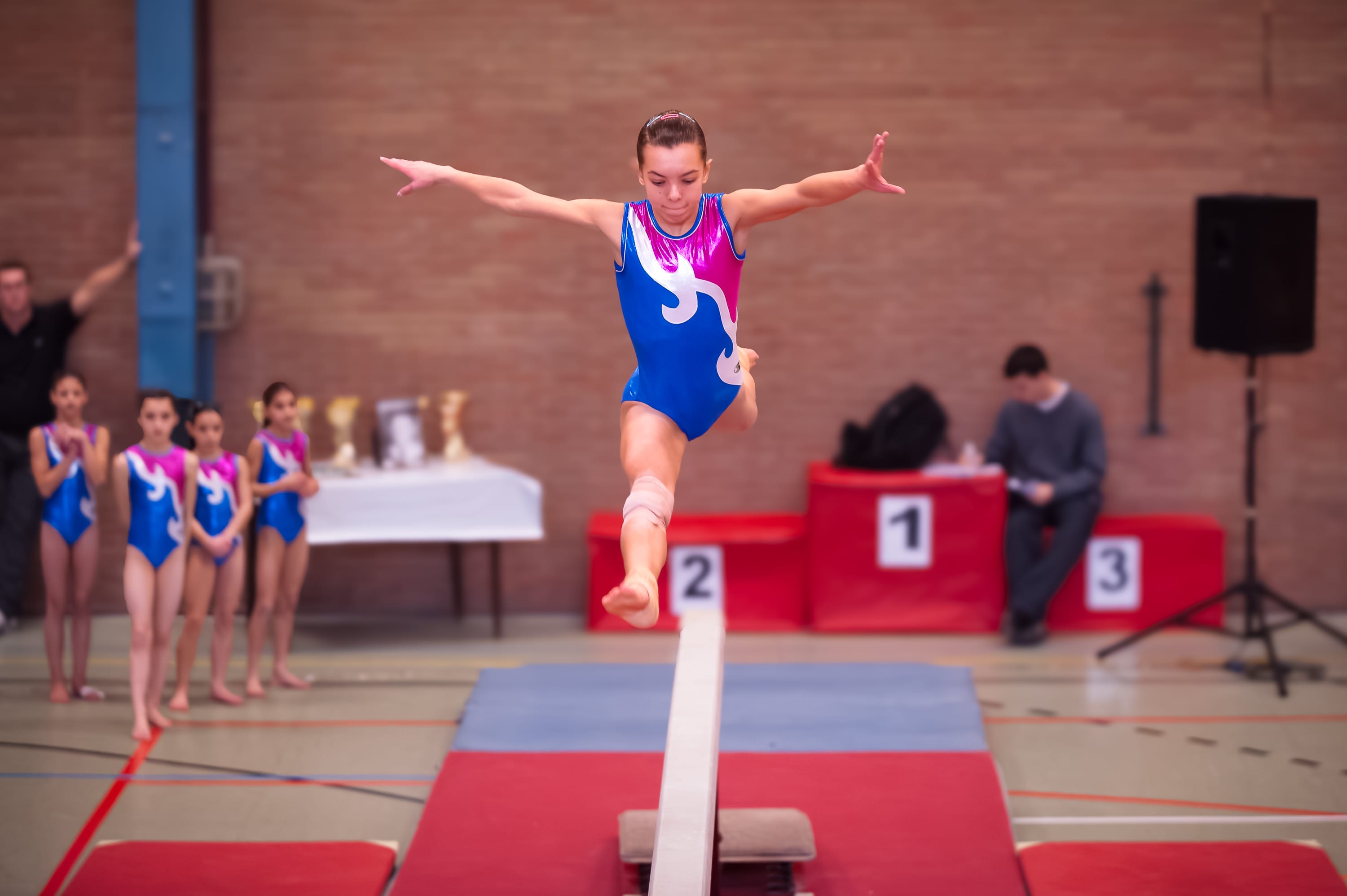
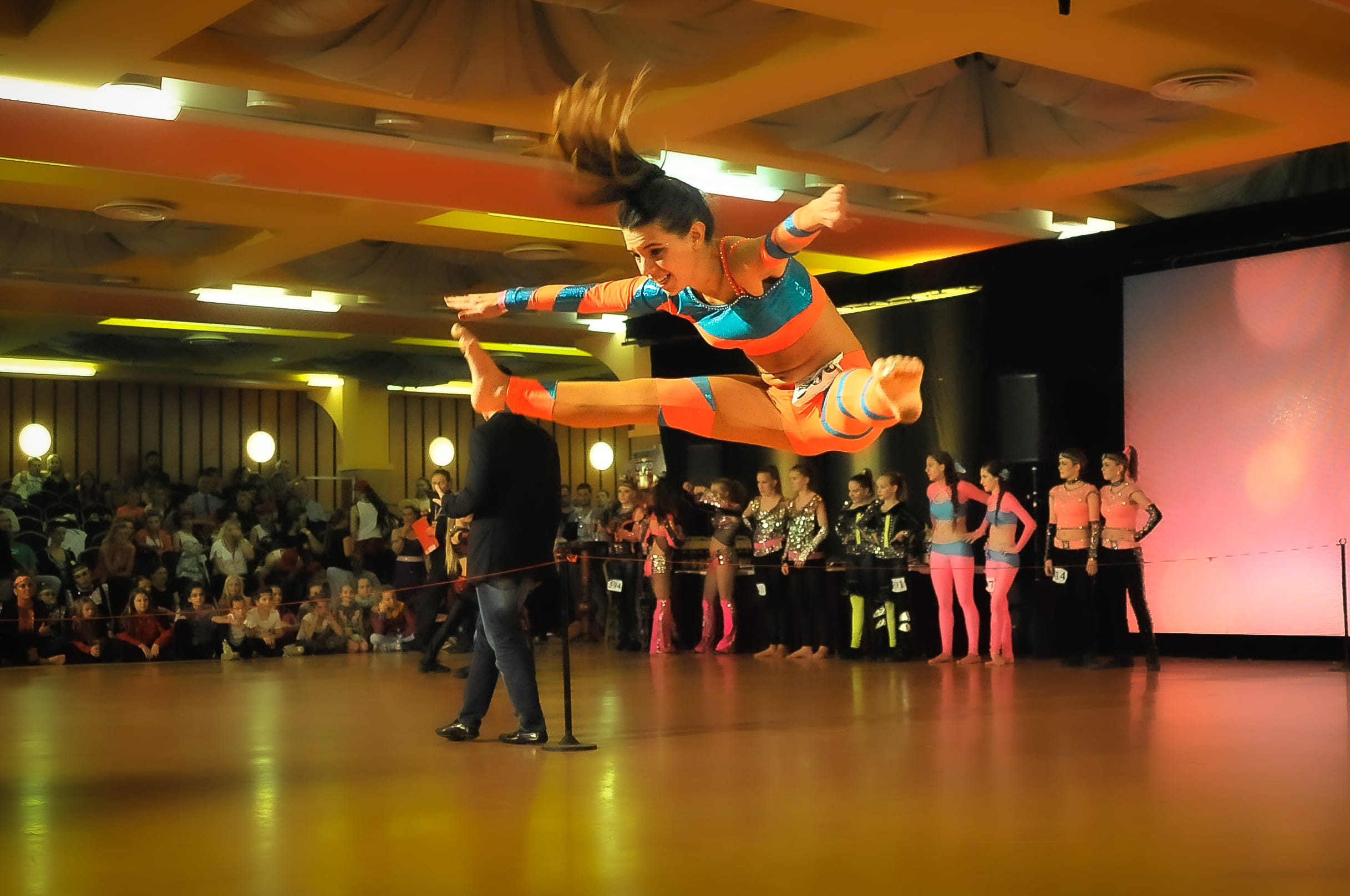
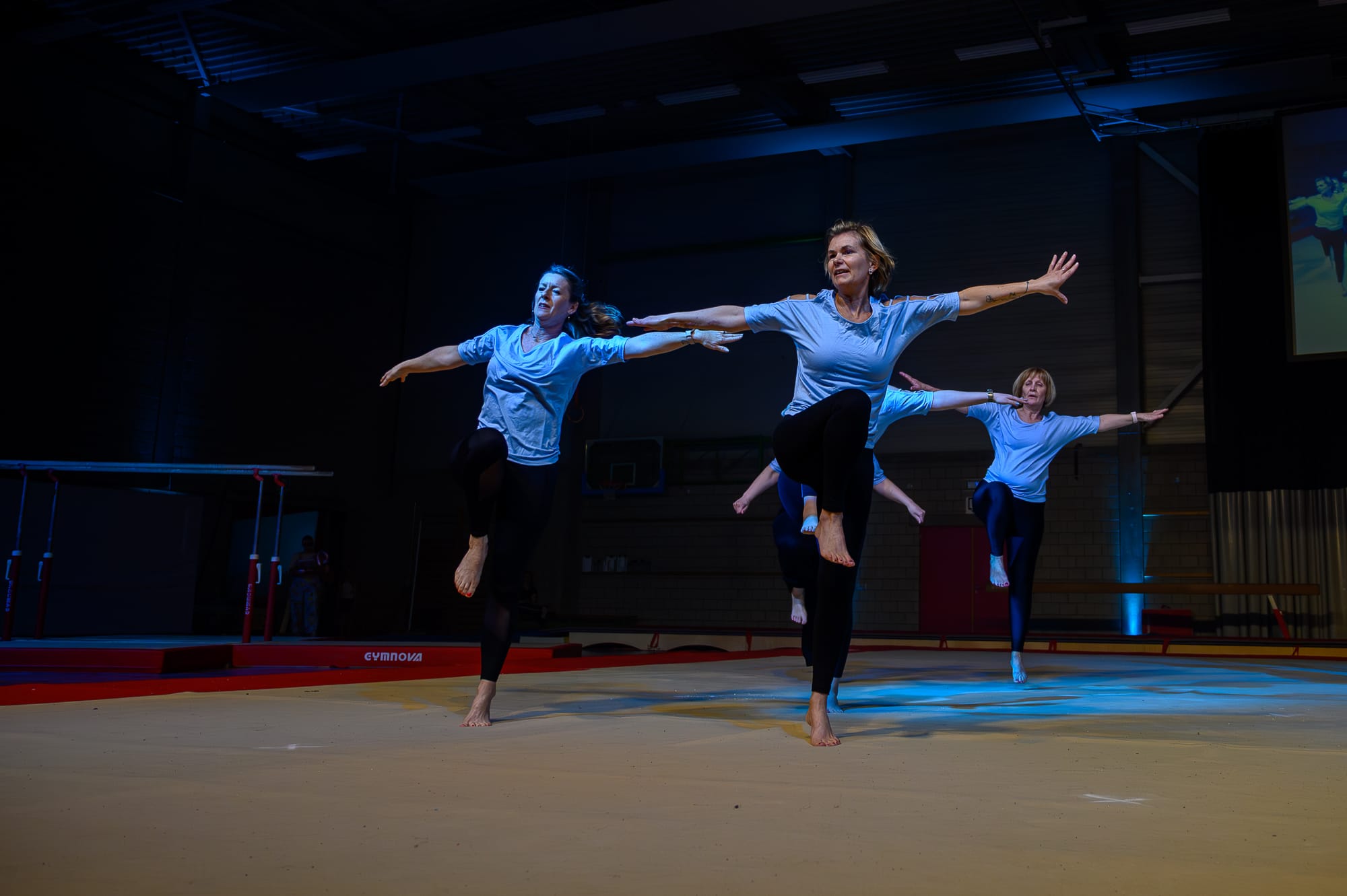
My daughters started with acrogym, later artistic gymnastics and dance. Suddenly, light was limited, movement was constant, and moments were brief.
The D3 changed what was possible. Higher ISO values became usable, autofocus more reliable, and timing more critical.
Indoor photography introduced a different kind of attention. There was no waiting for light — only learning to anticipate what would happen next.
2010 — Anticipation over reaction
Nikon D3 · Timing and movement
Indoor sports taught me that reacting was often too late.
You start to read movement patterns. Small shifts in posture, rhythm, and tension begin to signal what is about to happen.
Photography became less about pressing the shutter at the right time and more about being ready before the moment arrived.
This way of working carried over into other forms of photography. Observation came before action.
2012 — Working with constraints
Nikon D3 · Low light and limitations
Indoor environments impose constraints that cannot be controlled.
Light is insufficient. Movement is unpredictable. Moments cannot be repeated.
Instead of fighting these limitations, I learned to accept them. Choices became deliberate: when to shoot, when to wait, and when not to shoot at all.
Constraints didn’t limit creativity. They shaped it.
Macro never left
Even while moving faster and working under pressure, macro photography remained a way of slowing down.
It trained precision, patience and attention to detail — skills that quietly carried over into every other field.
long lenses
2013 — Today
2013 — Distance
Long lenses · Learning to wait
With longer lenses, distance became part of the process.
Subjects were no longer within reach. Observation replaced proximity, and patience mattered more than movement.
Working at a distance changed how I approached photography. You wait longer, observe more, and act less impulsively.
The photograph starts long before the shutter is pressed.
#image_title
2014 — Precision
Long lenses · Accuracy and discipline
Precision with long lenses goes beyond framing and sharpness.
Some images require preparation long before the moment exists. Flight routes, altitude, timing — all have to align.
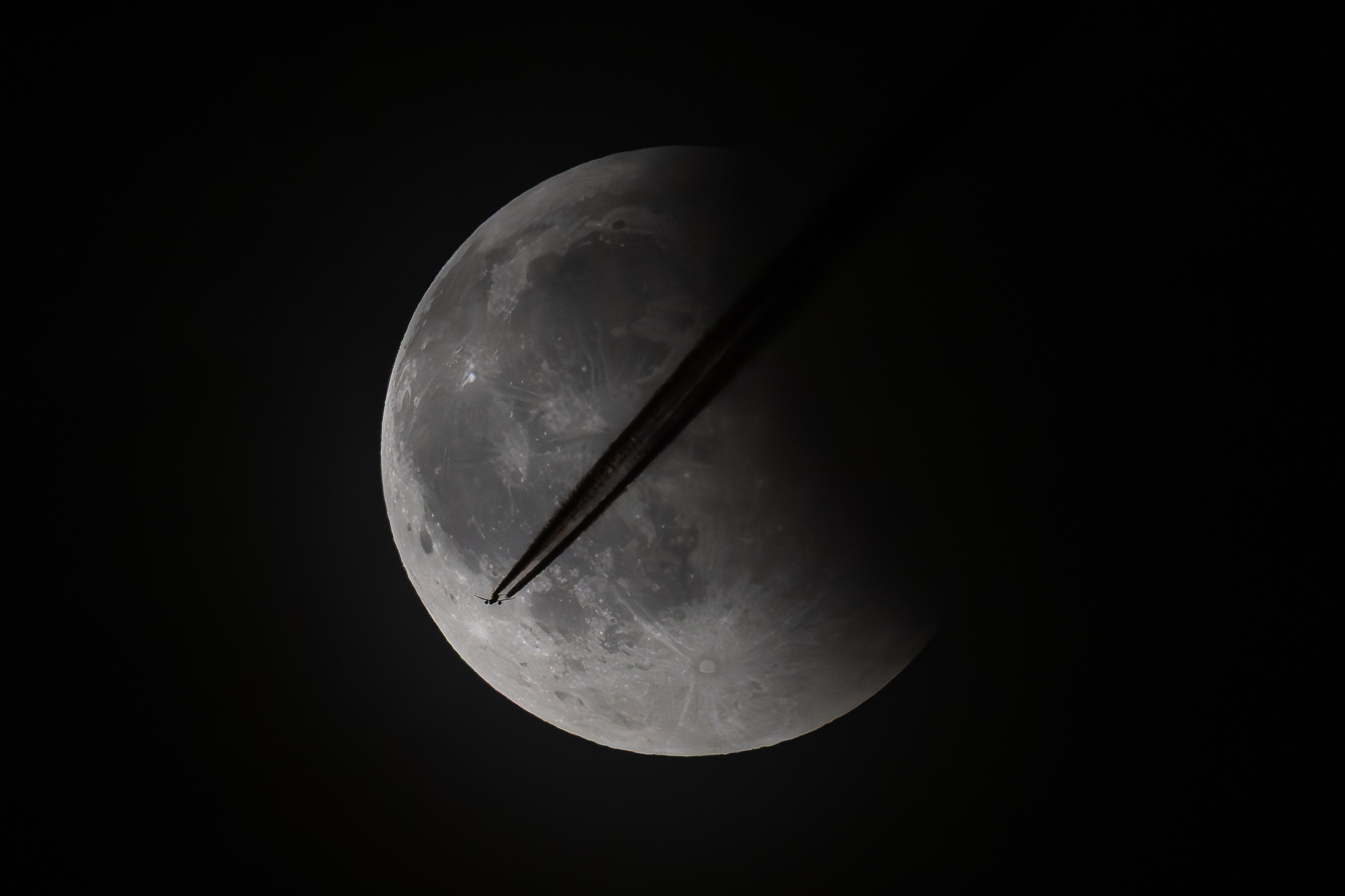
For this image, the goal was to photograph an aircraft crossing the moon. Not difficult in itself, but this moment coincided with a lunar eclipse. The shadow on the moon is that of the Earth.
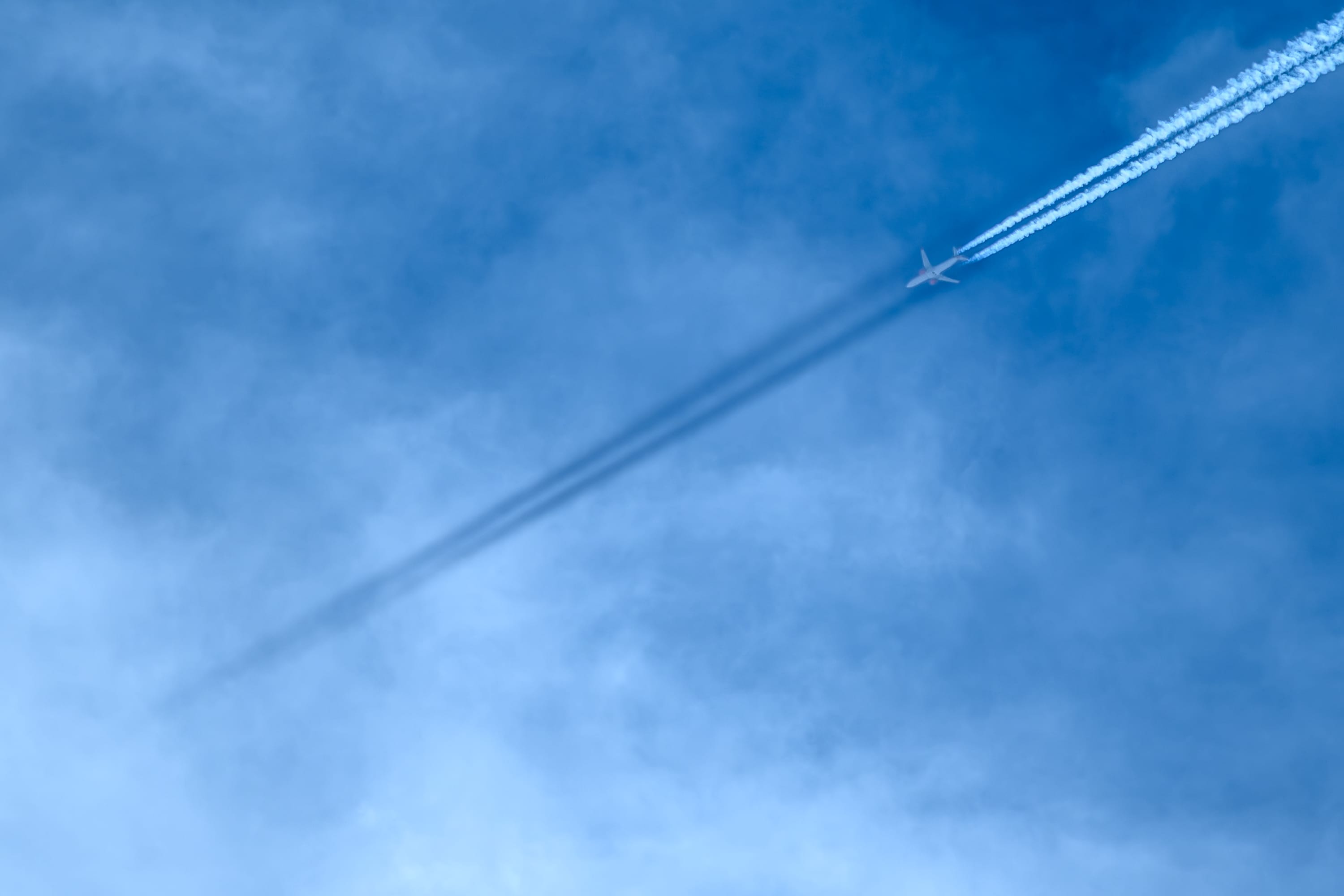
Using flight tracking tools and experience, it becomes possible to predict which aircraft will align with the moon. That evening, thin haze in the sky made the moment visible even before it happened — the aircraft casting a shadow in the upper atmosphere, pointing directly towards the moon.
When everything comes together, there is no time to hesitate. Hundreds of frames are taken in seconds.
Images like this are not the result of luck alone. They exist at the intersection of preparation, understanding, and timing — with just enough unpredictability to make them rare.
2015 — Birds in flight
Long lenses · Anticipation and motion
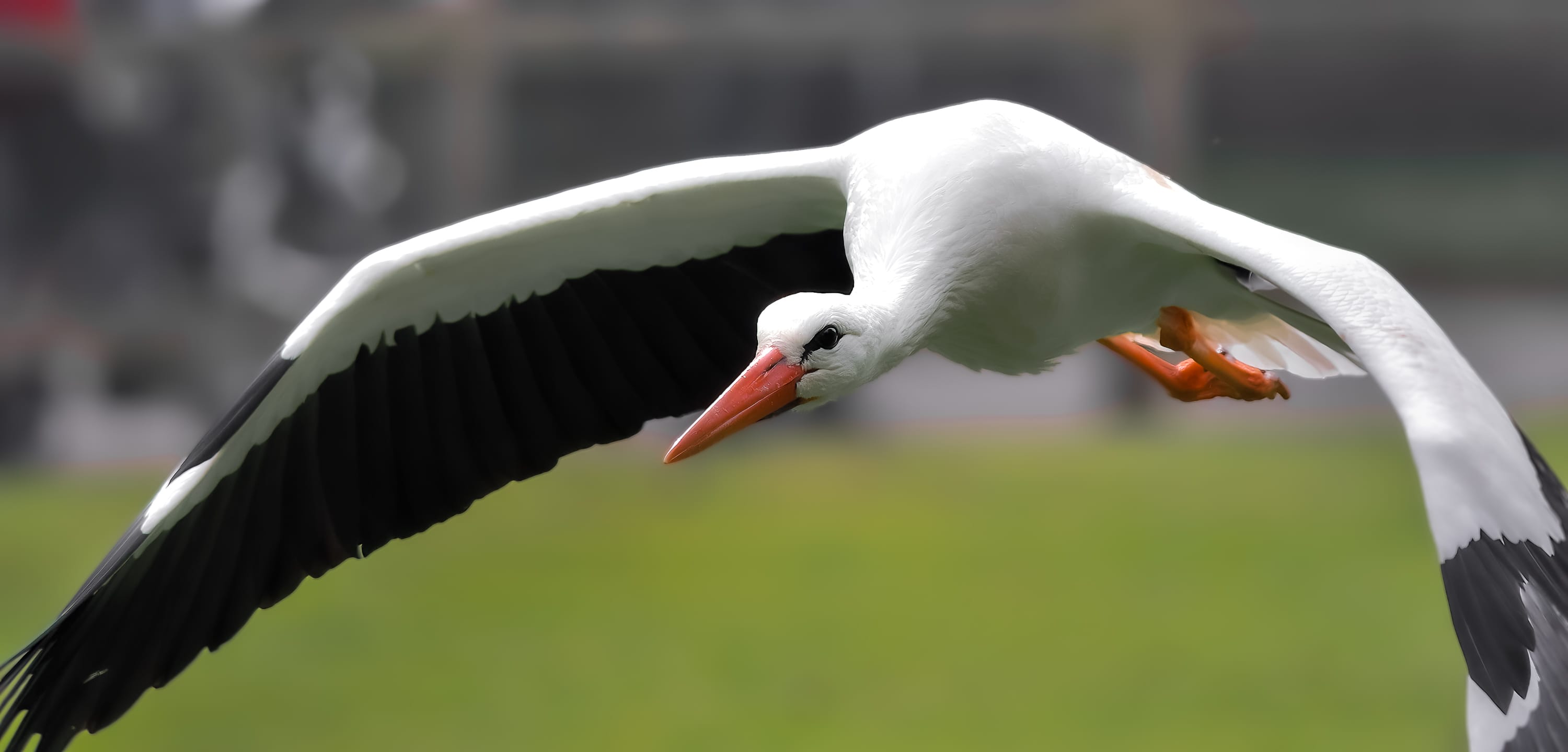
Photographing birds in flight introduced a new kind of complexity.
Movement is fast, unpredictable, and fleeting. You learn to read patterns rather than chase moments.
Anticipation became more important than speed. Understanding behavior mattered more than technical settings.
Again, observation came before action.
2016 — Speed and trajectory
Long lenses · Aviation photography
Aviation photography shared similarities with birds in flight.
Speed, trajectory, and anticipation define the moment. You prepare, align, and commit before the subject enters the frame.
There is no second chance. Either everything comes together — or it doesn’t.
This reinforced a recurring lesson: control is limited, preparation is essential.
Het Vinne
2023 — Today
2023 — Returning seen differently
Observation · Repetition · Place
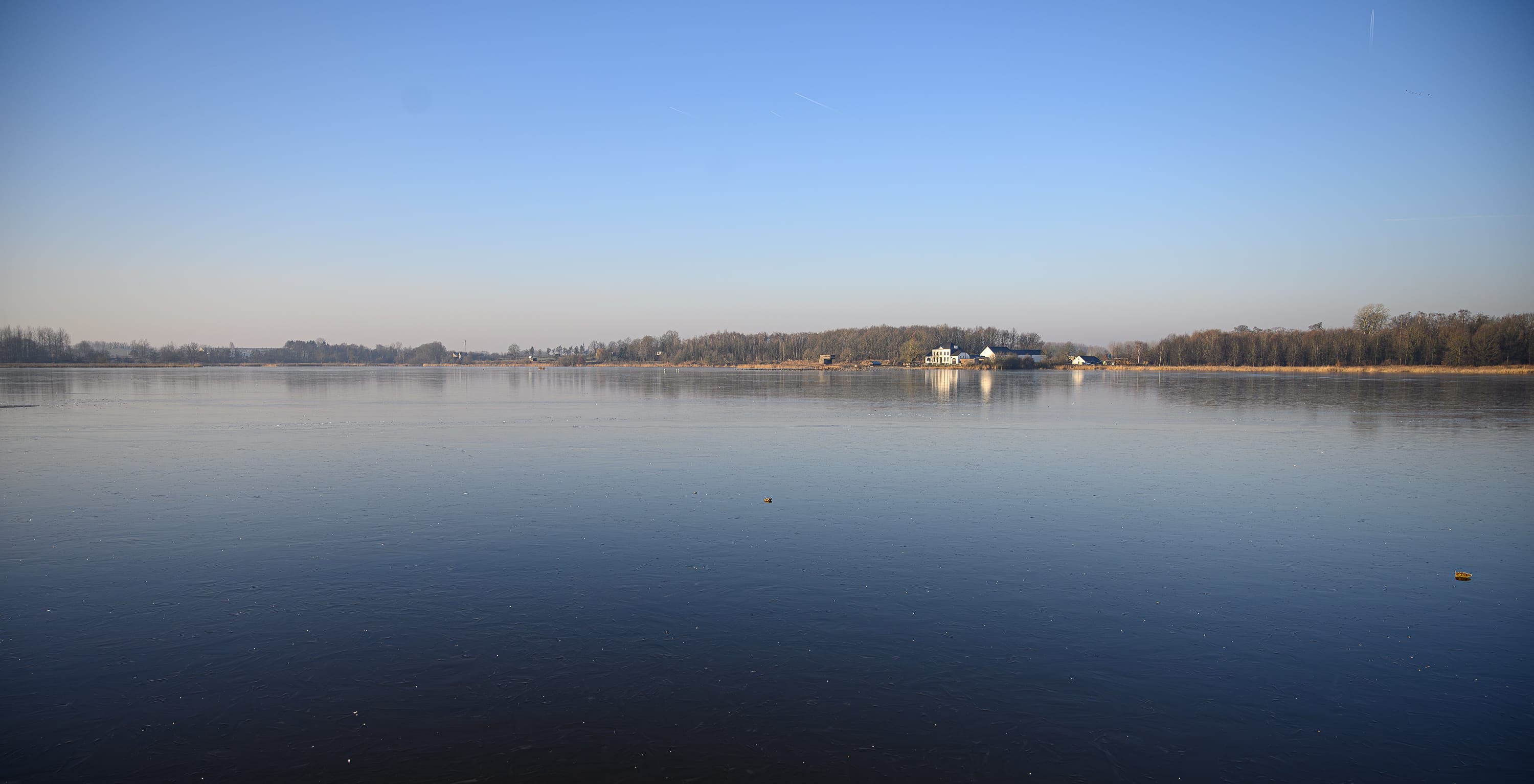
Het Vinne became a place I returned to again and again.
Not to collect images, but to observe changes over time. Light, seasons, weather and behaviour repeated — never exactly the same.
Familiarity did not reduce attention. It sharpened it.
Returning to the same place turned photography into a long-term practice rather than a series of moments.
Years of returning to the same place quietly accumulate experience.
Wind direction, light, behaviour and positioning become familiar. You know where to stand, when to wait, and when to be ready.
That preparation leaves little room for hesitation. Camera settings are set, focus behaviour is known, and decisions happen instinctively.
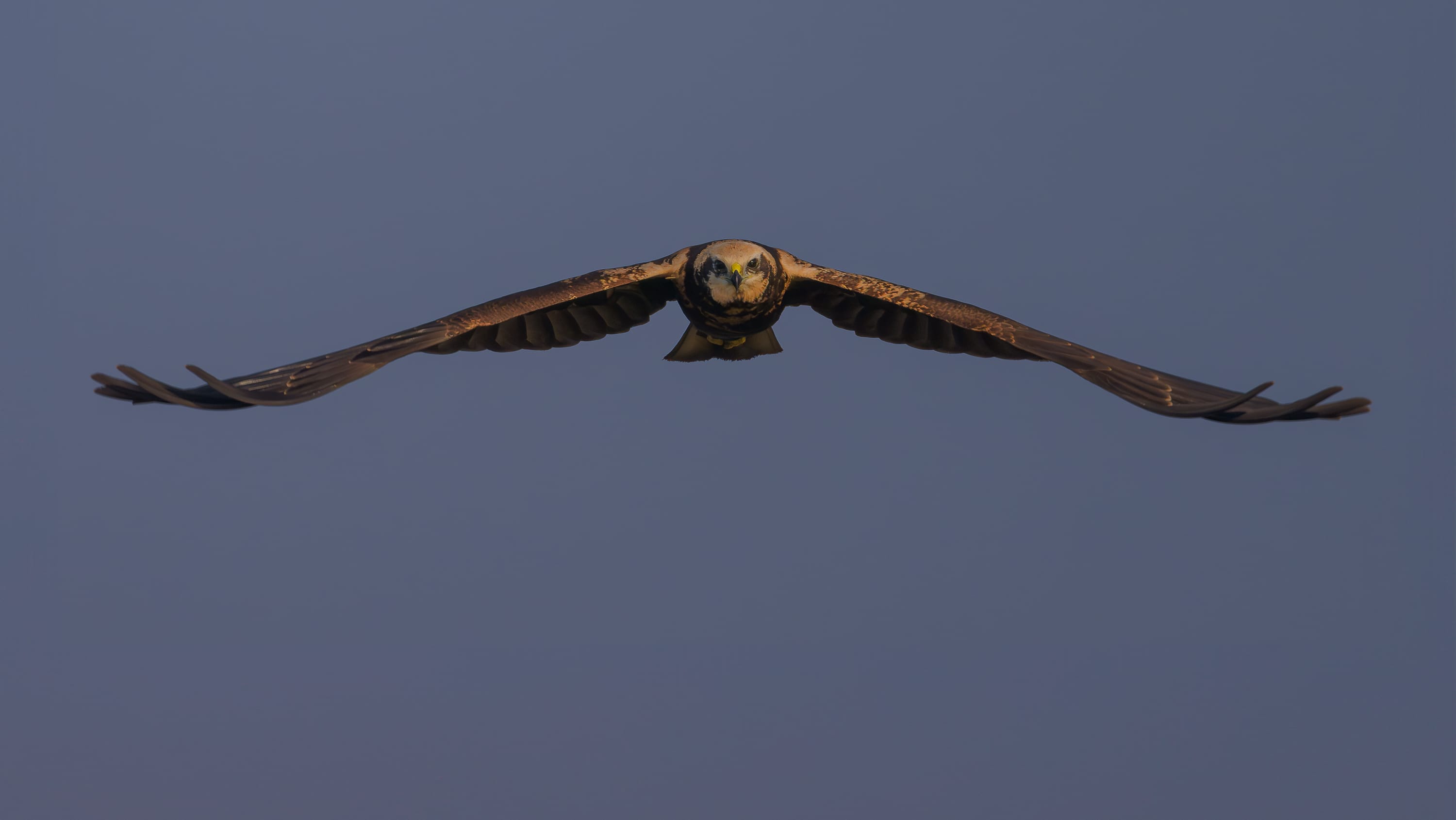
In 2024, one of those moments aligned. A female marsh harrier approached head-on, flying straight towards the lens — fully aware, perfectly positioned.
The image received first prize in a photography competition that year. Not as an isolated achievement, but as the result of long-term observation, repetition and presence at Het Vinne.
Z9 era
2023 — Today
2023 — A tool that disappears
Z9 · Reliability and responsiveness
By the time the Z9 entered the picture, the way of working was already shaped.
What changed was not intent, but reliability. Speed, autofocus and responsiveness removed hesitation rather than adding ambition.
The camera became less present. Decisions happened faster, not because of automation, but because the tool no longer demanded attention.
What mattered was not what the camera could do, but how little it stood in the way.
Video era
2024 — Today
2024 — Learning again
Video · Control, continuity and discipline
Video forced a return to learning.
Suddenly, photography habits were no longer enough. Sound matters. Exposure must remain stable. Movement has to be intentional.
External microphones, neutral density filters and camera movement introduced new constraints. Mistakes cannot be hidden. Nervous handling, hesitation or inconsistency immediately show.
Video demands calm. Everything needs to be prepared, deliberate and smooth.
In that sense, video felt familiar. Not as a new direction, but as another way of learning to see — without shortcuts.
Slowing things down again
Before looking further away, it helped to return to what slows everything down.
Macro photography removes urgency. It demands patience, attention and acceptance of small margins.
This way of working remained relevant — even when subjects moved farther, faster, or higher.
Moon
2004 — Today
Always returning
Moon, comets and distant light
From the very beginning, space kept drawing attention.
The moon was a natural starting point — always present, always different. Over time, that curiosity expanded to comets, meteor showers and distant planets.
These subjects reward patience rather than speed. They ask you to wait, to look up, and to accept that most moments pass unnoticed.
The attraction never disappeared. It quietly returned, again and again.
Waiting for alignment
Moon photography · Distance and scale
Many moon photographs start with planning.
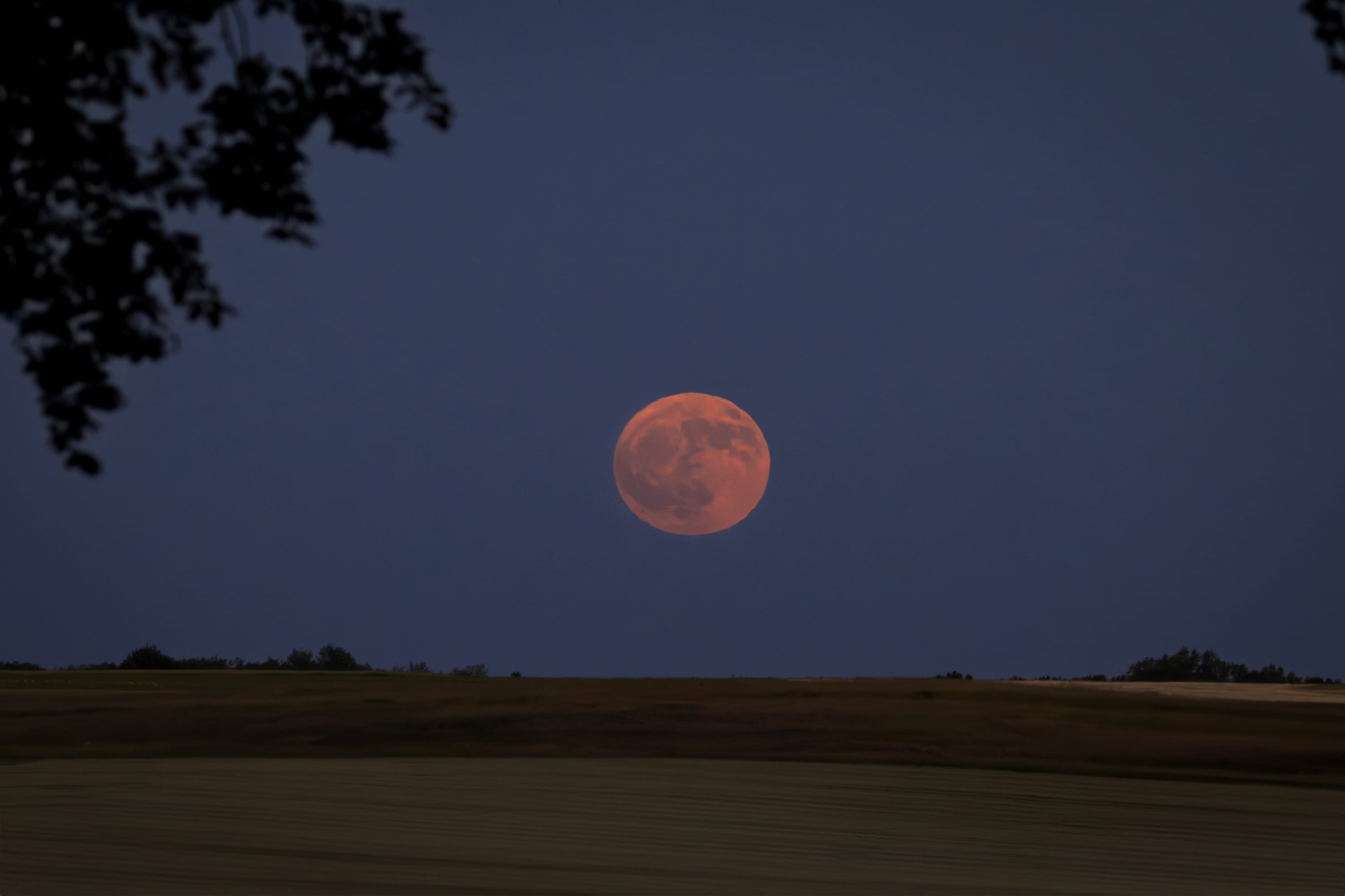
Knowing where and when the moon will rise allows the landscape to become part of the image. Trees, houses or distant structures turn the moon into a reference for scale.
That evening, everything was prepared. But the moon was dim, low on the horizon, filtered through haze.
There was nothing to photograph — so waiting became the only option.
The light improved slowly. The moon stayed low, orange, slightly soft.
Eventually, it was time to go home.
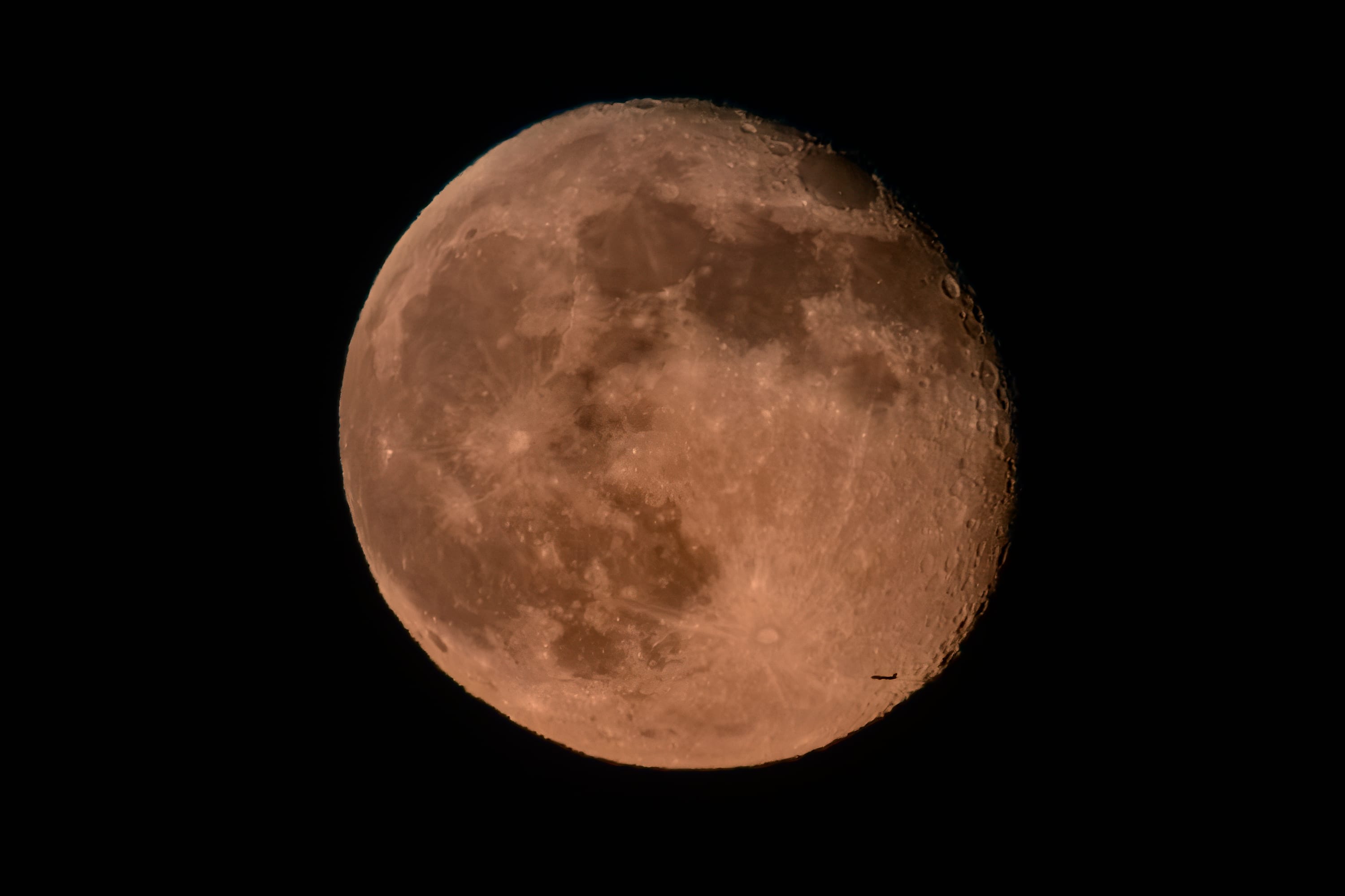
Only later, while reviewing the images, something appeared. A small aircraft silhouette crossed the frame — sharp and precise — with the moon behind it, large and blurred.
The detail is easy to miss. But once seen, it cannot be unseen.
Today
This journey did not lead to an end point.
Photography remains a way of paying attention — sometimes fast, sometimes slow, often repetitive.
What has changed over the years is not the subject, but the willingness to wait, to observe, and to return.
Learning to see is not something you complete. It continues, quietly.